PUBLIC–PRIVATE COLLABORATION AT THE CENTRE OF THE INAUGURAL ACPM SUMMIT 2025
Article by Tseke Masemola, Pictures by Caroline Mokotedi
31 October 2025
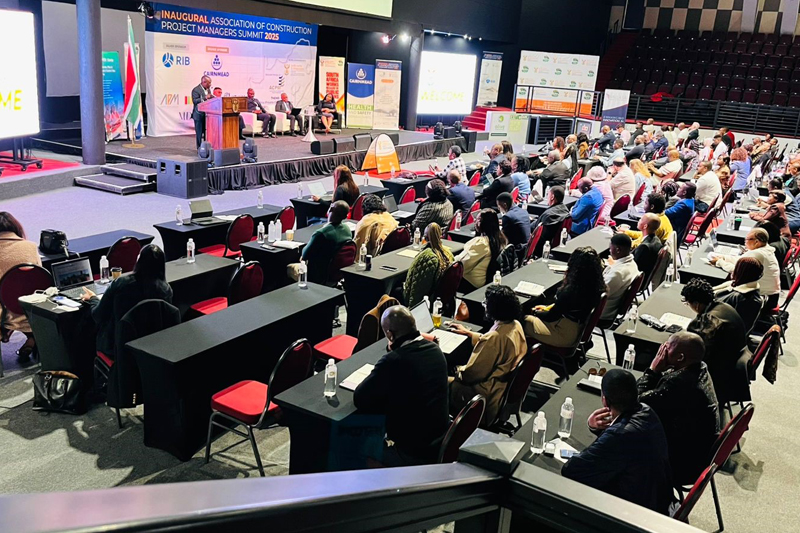
The Department of Public Works and Infrastructure (DPWI), in partnership with the Association of Construction Project Managers (ACPM), hosted the double-barrelled inaugural ACPM Summit 2025 at the Olive Convention Centre in Durban, KwaZulu-Natal. The convention was led by ACPM President Anthony Afordofe, under the theme: “Public–Private Collaboration to Strengthen the Skills Pipeline in the Built Environment.”
This two-day event brought together key stakeholders from government, including Regional Managers, departmental heads and Deputy-Director-Generals, alongside an entourage of industry professionals, State-Owned Enterprises (SOEs), academia and private-sector partners to accelerate professionalisation and capacity-building within the built environment.
Opening the proceedings on day one, Head of the Property Management Trading Entity (PMTE), Siza Sibande, reaffirmed DPWI’s commitment to supporting initiatives that reduce poverty and create jobs through infrastructure delivery. He emphasised the Department’s internship programme as a bridge connecting aspiring learners to industry experts, ensuring that training translates into meaningful workplace exposure. CEO of the Council for the Built Environment (CBE), Dr. Msizi Myeza, expanded on this by linking the summit’s objectives to the Built Environment Professionalisation and Skills Development Strategy for the Public Sector, underscoring the importance of aligning competencies with professional council standards.
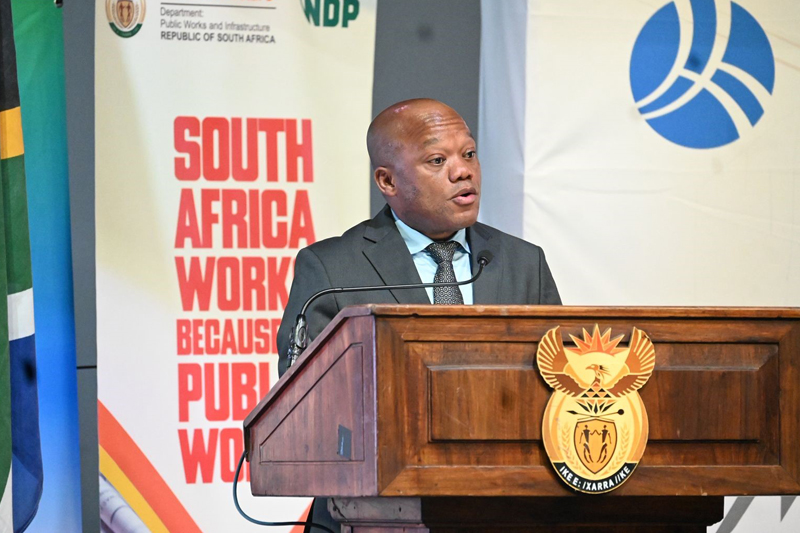
On day two of the event, while delivering the keynote address, Deputy Minister Sihle Zikalala emphasised the role of structured candidacy programmes as central to infrastructure success, stating that, “Infrastructure without skills is a monument for failure — infrastructure with skills is a legacy.” He explained how Public-Private Partnerships (PPPs) are an essential alliance for national development, and further underscored the importance of ethical delivery and consequence management, stressing that government “cannot tolerate incomplete projects, cost overruns, or service providers who are blacklisted due to poor performance.”
Additionally, a collaborative panel by DPWI and the Department of Human Settlements (DHS), examined how aligning experiential learning with professional-registration pathways works to ensure infrastructure projects both uplift communities and accelerate young professionals’ entry into the labour market.
Moreover, Deputy Director-General: Project Management Office, Luyanda Kafile, led a session which indicated how collaboration between the Department and the ACPM will strengthen structured candidacy programmes and drive professional excellence within the built environment.