DPWI PRINCIPALS KICK OFF SIDSSA 2026 WITH VISIT TO CAPE FLATS WATER TREATMENT FACILITY
Article by Nolwazi Ndhlovu, Pictures by Brian Dlamini
Minister of Public Works and Infrastructure Dean Macpherson, together with Deputy Minister Sihle Zikalala, kicked off the 2026 Sustainable Infrastructure Development Symposium of South Africa (SIDSSA) with a visit to the Cape Flats Managed Aquifer Recharge Centre in Cape Town. The visit formed part of the programme for an international delegation attending SIDSSA 2026 and provided an opportunity to showcase innovative infrastructure projects that will contribute towards addressing South Africa’s future infrastructure and water security challenges.
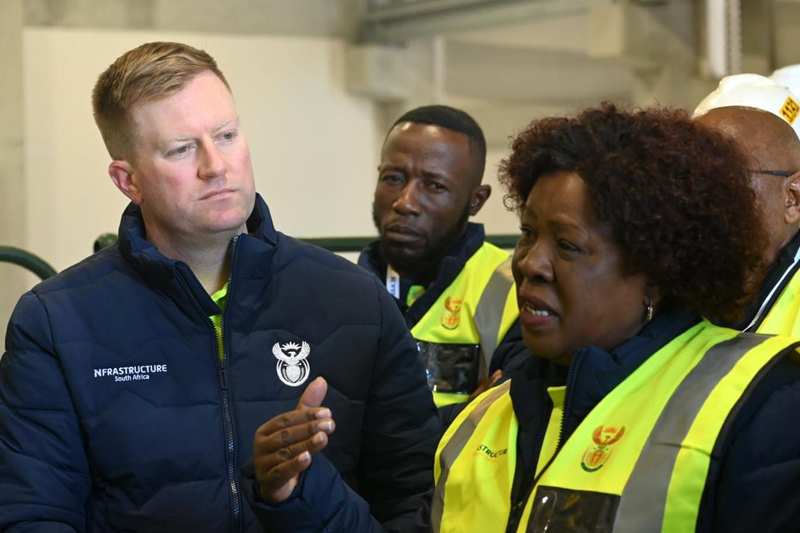
The Minister, Deputy Minister and delegation were welcomed by the City of Cape Town’s project manager, Mark Marais, who provided an overview of the Cape Flats Managed Aquifer Recharge Scheme and the plans for the facility currently under development. Marais explained that the project forms part of the City of Cape Town’s efforts to develop alternative and sustainable water sources following the severe drought experienced in the Western Cape in recent years. The drought highlighted the need to identify additional bulk water sources that will strengthen and diversify the province’s water supply.
The Cape Flats (large piece of flat land), is situated above a significant underground water resource, known as an aquifer. Once the project is fully operational, groundwater will be abstracted from the aquifer and treated to a high standard before being supplied as part of the broader water system. A key feature of the scheme will be the managed recharge of the aquifer. The project will not only abstract water from the underground resource but will also replenish it, helping to ensure that the aquifer remains sustainable and is not depleted over time. The advanced water treatment facility is expected to have the capacity to process and pump approximately 40 million litres of water per day through boreholes, making a significant contribution towards strengthening water security in the province.
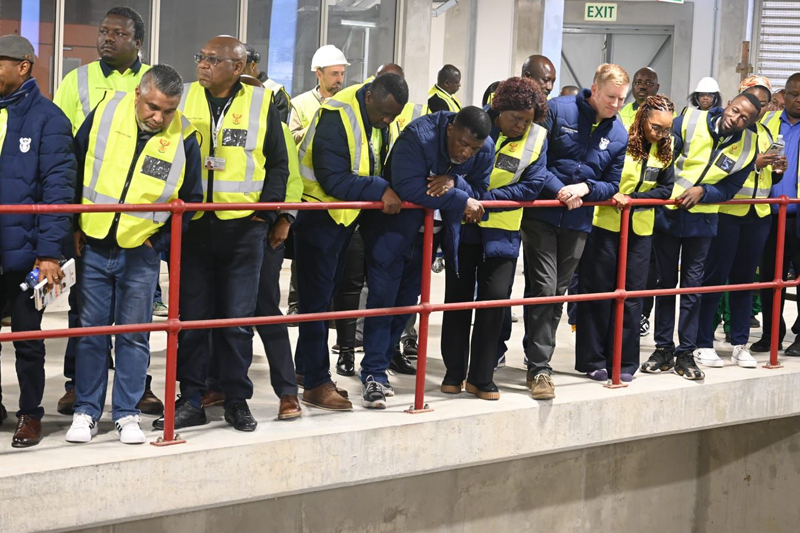
Following the briefing, the principals and international delegation were taken on a tour of the site, where they were given an overview of the various components that will form part of the future water treatment process. Among the areas visited was the ozone generation section, where oxygen will be converted into ozone. The ozone will be introduced into the treatment process to assist with the oxidation and treatment of the water. The delegation was also shown the pump area, which will house four pumps that will be used for the backwashing process, as well as a water reservoir that will store treated water.
Another important component of the facility will be the Biologically Activated Carbon Filters. Water will pass through these filters as part of the treatment process before flowing through an underdrain system and into the reservoir. The process will contribute towards the facility's planned production of millions of litres of clean water each day. The tour also included the UV reactor room, which will house 240 ultraviolet lamps. Water will pass through the UV treatment system, where the process will assist in removing micro-pollutants and further improving the quality of the treated water.
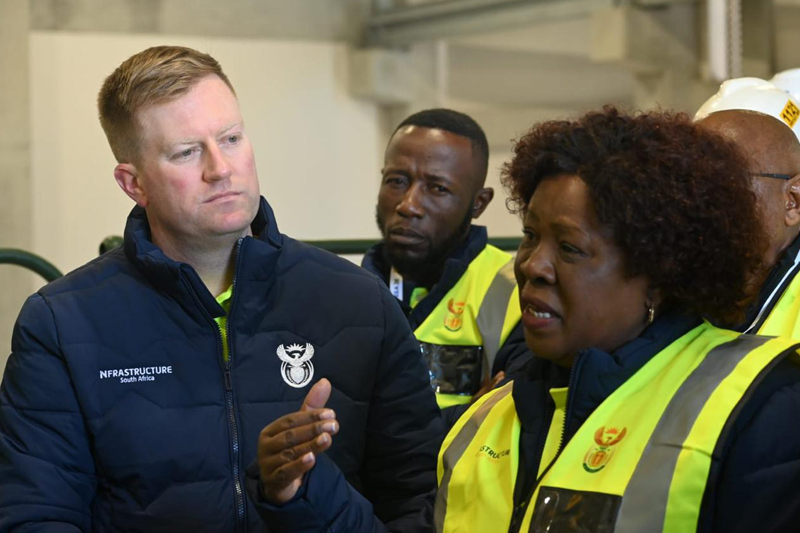
The visit to the Cape Flats Managed Aquifer Recharge Centre gave the SIDSSA 2026 delegation a first-hand look at a major infrastructure project that is set to contribute towards the City of Cape Town’s long-term water security. As development of the facility continues, the project is expected to demonstrate how innovation, technology and sustainable infrastructure investment can be used to respond to climate challenges, protect natural resources and build greater resilience for future generations.